About EDA Afghanistan
Introduction to the organization
EDA Afghanistan is a branch of Ethiopian-based aid organization, Emmanuel Development Association. EDA is committed to improving the lives of children, youth, women and families. EDA has been providing care and support to Ethiopian communities since 1996, and to people in Afghanistan since 2022. Over the last two decades, our programs have touched the lives of over 10 million Ethiopians.
EDA takes a holistic approach to improving the lives of disadvantaged people. Our organization attains this goal by caring for the most vulnerable and empowering women and families to achieve improved health, wellbeing, financial growth and stability. We believe that the changes we make should be community-led and community based and sustainable. Individuals, families, communities and government agencies all play a role in our projects.
EDA in Afghanistan
In Afghanistan, 47.3% of the population lives below the national poverty line in 2020. The main challenges of Afghan women’s small and medium enterprises are Lack of financial resources and support, non-availability of specific markets and platforms for business development, high bureaucracy in government procedures, and documentation for business registration and taxation.
Besides, social and environmental barriers always exist due to lack of education and family support as well as gender discrimination. Similarly, factors such as political, economic, and instability can have an adverse effect on business development in the country. All the above province’s economies depends on agriculture. These provinces have minerals such as gypsum, lime and construction stones, uranium ore, and copper. Of the total population, 74% of people in the Rural depend on crop harvesting and livestock (AHF, 2020).
Current community challenges by sector
Health
Afghanistan’s health system has remained fragile since 2020, with limited access to primary care and frequent outbreaks of measles, polio, dengue, malaria, and COVID-19. Maternal and child health challenges, malnutrition, non-communicable diseases, trauma, and widespread psychosocial distress continue to strain hospitals and referral facilities, many of which risk closure under seasonal and climate pressures.
Ultimately, humanitarian needs continue to grow in Afghanistan, while funding falls short, making stronger healthcare systems and community initiatives essential to stabilise conditions, prevent outbreaks, and build resilience.
Water, Sanitation and Health (WASH)
Since 2020, political instability, economic collapse, severe drought, climate change, and disasters have devastated Afghanistan’s WASH (Water, Sanitation & Hygiene) sector. This infrastructure damage has left millions, particularly rural women and children, vulnerable to disease and malnutrition due to critically limited access to clean water. Immediate relief and long-term, community-led solutions are more than needed to rehabilitate infrastructure, prevent disease outbreaks, and build resilience against ongoing threats.
Education
We believe education is the foundation of opportunity and a critical pillar for stability and hope in Afghanistan. Afghan children, especially girls, face shrinking opportunities as schools close and restrictive rules grow. EDA Afghanistan expands access to safe, quality education, equips teachers with modern skills, and strengthens community systems to protect children from abuse and neglect. By creating secure spaces for learning and healing, we open doors to brighter futures and stronger communities.
Food insecurity and nutrition
Since 2020, Afghanistan’s food insecurity has surged due to economic collapse, frozen international assets, aid suspension, and mass unemployment. Over 90% of the population fell below the poverty line, with more than half of 30 million people needing urgent humanitarian aid amid skyrocketing commodity prices and restrictions on women’s employment and mobility.
Long-term social-ecological shifts have worsened this dire situation, including droughts, water scarcity, and land degradation that crippled agriculture, once supporting 60-80% of livelihoods, while urban migration to unstable construction jobs left communities vulnerable. Diets shifted from diverse, farm-based nutrition to calorie-deficient staples, with meat and fruits becoming luxuries, fuelling malnutrition and health declines, like respiratory issues from pollution.
Programmatic Interventions
Considering the above critical challenges of the community EDA Afghanistan is engaging and going to execute those 4 thematic areas considering the most vulnerable community members, including women, youth, girls, children, people with disabilities, IDPs, returnees, and refugees from the other nearby countries.
• Education
• WASH
• Livelihood and Food Security
Child protection, disability, gender, and environmental protection would be mainstreamed and implemented as crosscutting thematic areas in those sectors mentioned above.

Education
Our primary work in child education and protection is promoting quality education, supporting children who are vulnerable to abuse, and strengthening early childhood development.
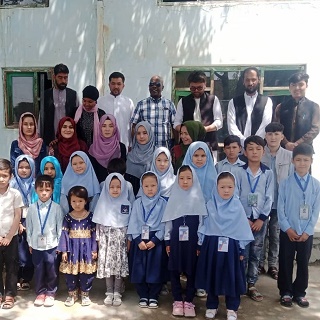
Education
Our primary work in child education and protection is promoting quality education, supporting children who are vulnerable to abuse, and strengthening early childhood development.
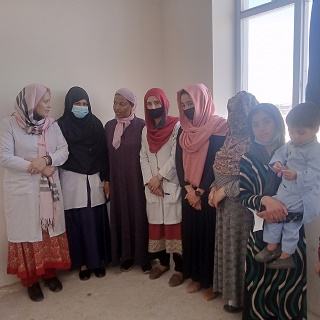
Health
Through our WASH and community health work, we focus on promoting water sanitation and good health, promoting primary healthcare, and raising awareness of gender based violence.
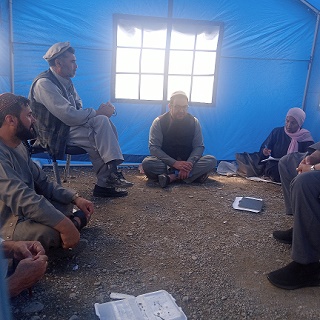
Livelihoods
Our work in livelihood promotion includes capacity building of agricultural livelihoods, developing important entrepreneurial skills for youth and women, and promoting equality.